
Expert Insights That Drive Innovation and Progress
Discover expert perspectives to spark ideas and strengthen your expertise
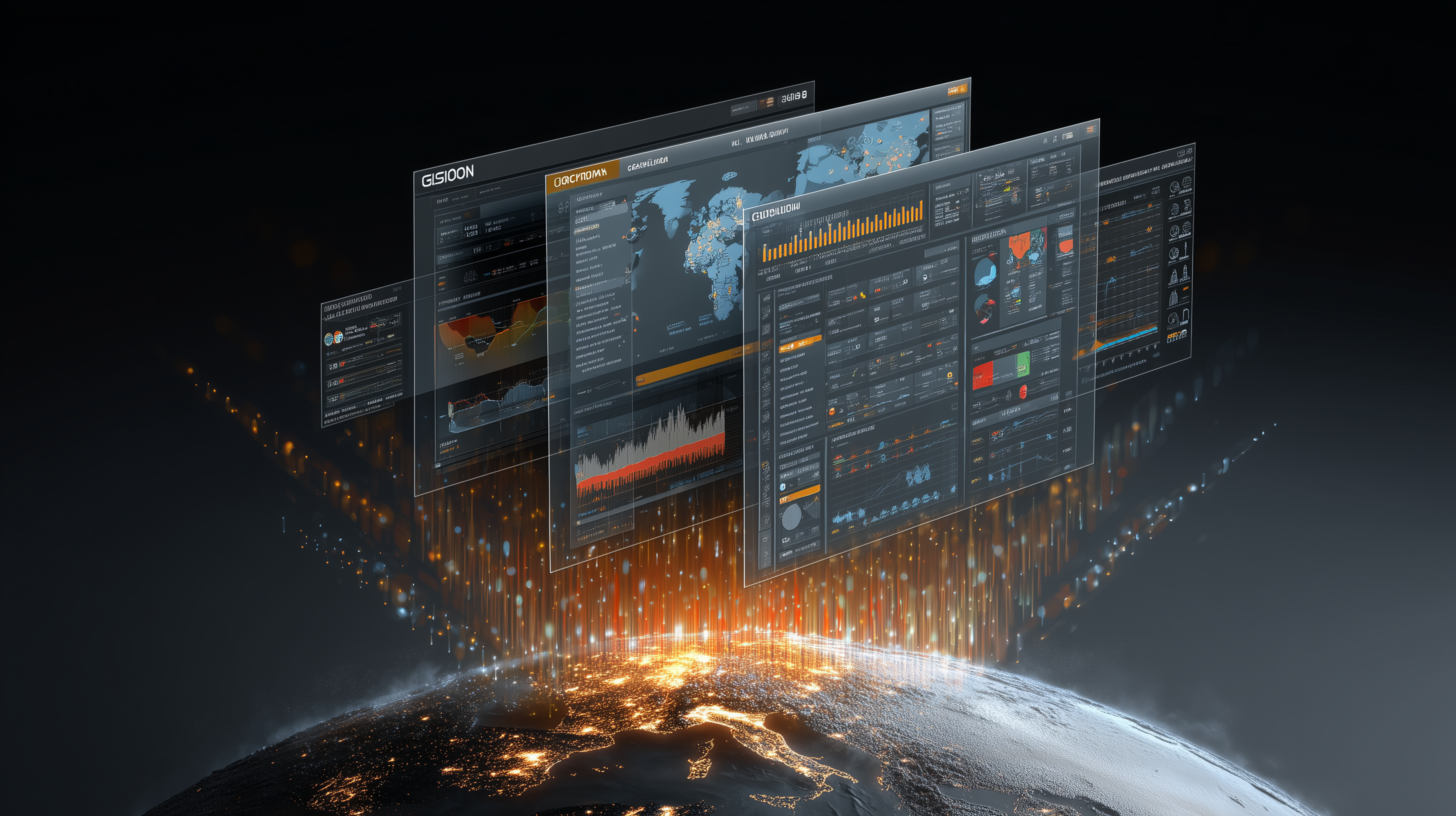
Climate action is only as strong as the data that informs it. But most data stacks weren’t designed with emissions, supply chains, or climate modeling in mind. Teams are often stuck retrofitting existing systems or relying on brittle workarounds to generate insights. It’s time to rethink our infrastructure—starting with the foundation.
Climate action is only as strong as the data that informs it. But most data stacks weren’t designed with emissions, supply chains, or climate modeling in mind. Teams are often stuck retrofitting existing systems or relying on brittle workarounds to generate insights. It’s time to rethink our infrastructure—starting with the foundation.
Most data infrastructures were built to optimize for sales, user growth, or cost—not carbon. This creates friction when sustainability teams try to source emissions data from systems that weren’t designed to capture it.
Most AI roadmaps look like someone opened the SaaS marketplace and clicked “Add to Cart” eight times.
Emissions data lives everywhere—and nowhere. From procurement software to building sensors, critical signals are often siloed across vendors, formats, or departments. The first step to a climate-ready stack is connection: mapping where relevant data lives, how it’s structured, and where the friction points are in accessing it consistently.

Most AI roadmaps look like someone opened the SaaS marketplace and clicked “Add to Cart” eight times.
Emissions data lives everywhere—and nowhere. From procurement software to building sensors, critical signals are often siloed across vendors, formats, or departments. The first step to a climate-ready stack is connection: mapping where relevant data lives, how it’s structured, and where the friction points are in accessing it consistently.
Physical AI delivers Return on Investment when variability and unpredictability create challenges that conventional automation cannot solve. In stable, repetitive environments such as structured manufacturing floors or fixed production lines, industrial robots and automated robotic arms often provide faster ROI due to reliability and mechanical simplicity.
Investment decisions around Physical AI are not happening in a vacuum. According to research published by Morgan Stanley, the global humanoid robot market alone could reach $5 trillion by 2050, spanning hardware, software, services, and supply chains. As labor shortages, workforce dynamics, and production limitations intensify across industrial environments, market demand for AI-powered robots continues to rise.


